
Here, in no order, are the non-fiction books I read during 2024. I read many of my books while driving to work or running (I spent 225 hours running 1600 miles in 2024).
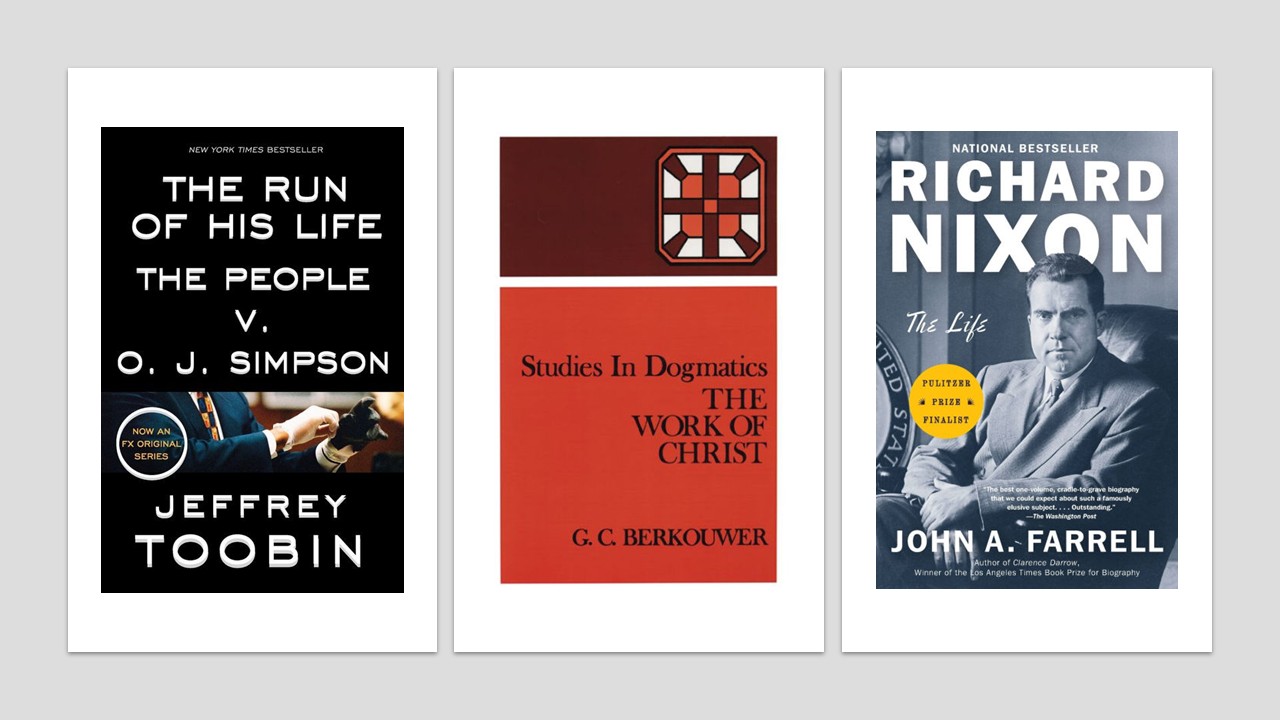
- The Run of His Life: The People v. O. J. Simpson by Jeffrey Toobin.
An exhaustive account of the entire O.J. Simpson saga. If you want a responsible journalistic account, then this is it.
- The Work of Christ by G.C. Berkouwer.
A solid and helpful book about just what it sounds like. Refreshingly Reformed.
- Nixon: The Life by John Farrell
Extraordinary biography of a very troubled and complicated man. It doesn’t bog down in political minutiae from 50 years ago, but is still substantive. One of the best Nixon biographies.

An entertaining story about a bygone era in American manufacturing. The same author later wrote a great biography of Herbert Hoover.
A good biography about a forgotten president. I believe Cleveland is one of the only former presidents without a presidential library.
- Who Freed the Slaves?: The Fight over the Thirteenth Amendment by Leonard Richards
A detailed but dry discussion about the legislative effort to pass the 13th Amendment.
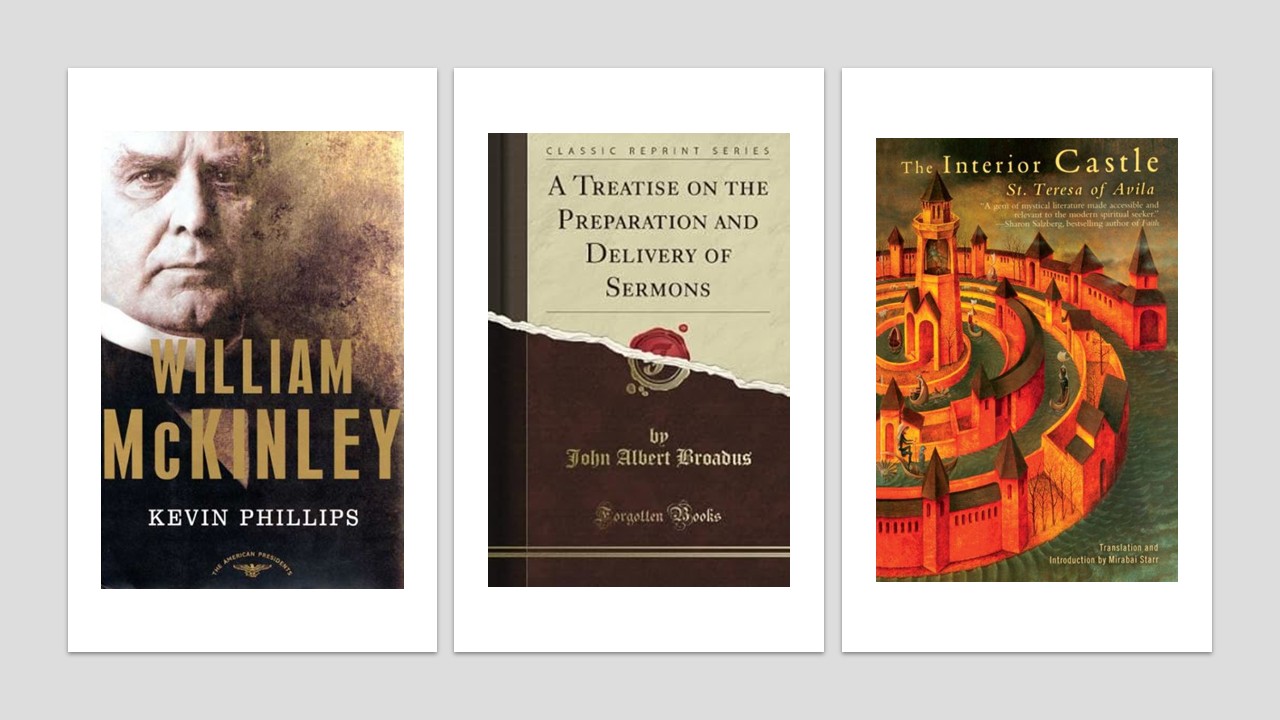
- William McKinley by Kevin Phillips
An incredibly boring biography. All I remember about this book is that it was really boring. I think McKinley deserves better, but I’m almost too bored to find a different biography.
- A Treatise on the Preparation and Delivery of Sermons by John Broadus
A classic on preaching. Good book.
- The Interior Castle by Teresa of Avila
Very mystical and contemplative book about prayer. It was interesting. I know a classic book such as this deserves a better write-up, but that’s what I got.

- The Creationists: From Scientific Creationism to Intelligent Design, Expanded Edition by Ronald Numbers
One of my favorite books of the year. An engrossing and scholarly look at the rise of scientific creationism–perhaps best represented today by Answers in Genesis and the Institute of Creation Research.
- Dispensational Modernisn by Brandon Pietsch
I actually read the PhD dissertation, not the book. But, they’re likely pretty much the same. I’m not sure I buy his thesis that the industrial revolution and its resulting “engineering” milieu contributed to the rise of dispensationalism. But, as a sort of historical take on dispensationalism, it was very interesting.
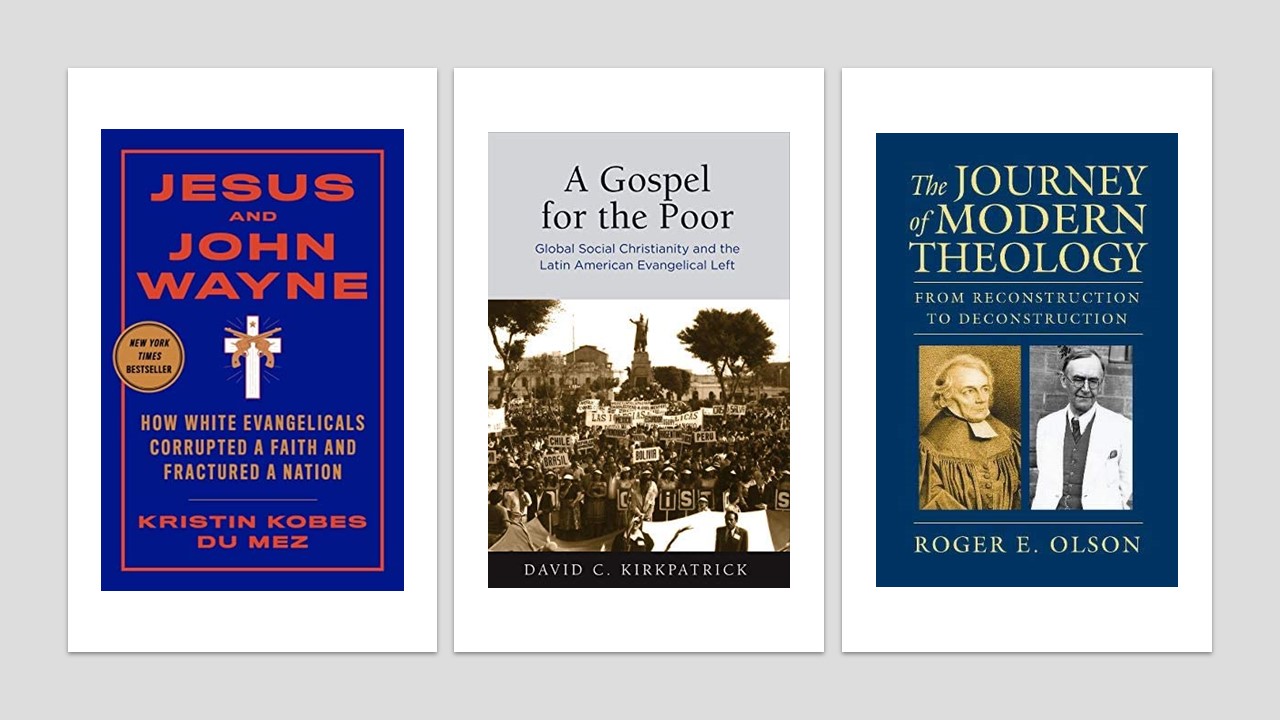
A wonderful and extraordinarily learned history of the early years of theological liberalism. It’s the first of a three-volume trilogy. I found Dorrien’s definition of liberalism helpful. He sees it as a via media “between the authority-based orthodoxies of traditional Christianity and the spiritless materialism of modern atheism or deism” (xiii). Liberal theology, he charges, “is the idea that Christian theology can be genuinely Christian without being based on external authority” (xiii). Of course, scripture is not the supreme standard for truth in this scheme.
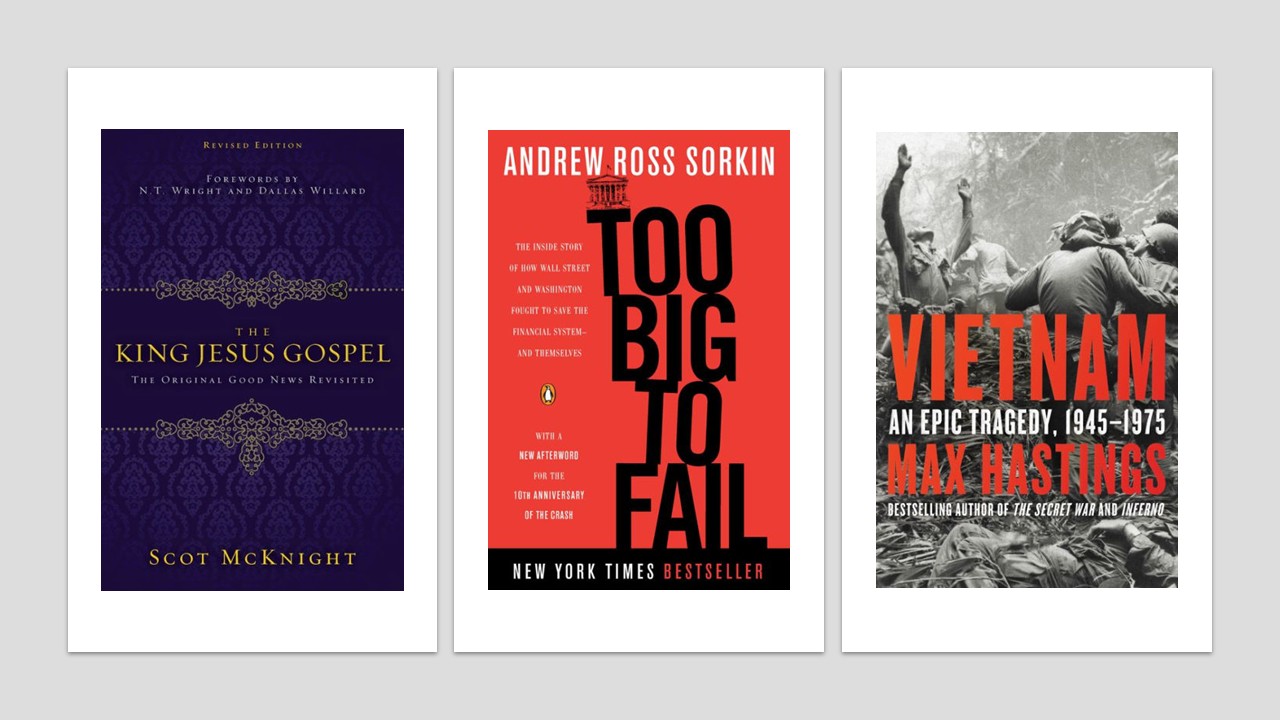
- Too Big to Fail: The Inside Story of How Wall Street and Washington Fought to Save the Financial System – and Themselves by Andrew R. Sorkin
If you want to know what happened during the financial crisis in 2007 to 2008, then this is the book for you. Entertaining, with well-drawn sketches of all the major players, this was a wonderfully entertaining book. I fondly recall a 17-mile run I did while listening to this audiobook.
- Vietnam: An Epic Tragedy, 1945-1975 by Max Hastings
Wonderful survey of the entire Vietnam war, from French colonialism to the United States exit from the country in 1973, and South Vietnam’s fall in 1975. Max Hastings is a great writer and a responsible journalist.
- The King Jesus Gospel: The Original Good News Revisited by Scot McKnight
A short, interesting little book. His big point is that “the gospel” is not the Romans Road. Rather, the “gospel” is the news that Jesus has come to make all the covenant promises in the Old Testament come true. McKnight wants us to use “gospel” correctly, and anchor the call for response in the larger Christian story.

- Days of Fire: Bush and Cheney in the White House by Peter Baker
Peter Baker and his wife, Susan Glasser, are great writers. Baker is a political reporter for the New York Times. This is an engaging survey of the entire Bush-Cheney years in the White House, and it’s very well done. The book is not partisan and is scrupulously fair.
- Homegrown: Timothy McVeigh and the Rise of Right-Wing Extremism by Jeffrey Toobin
Good book. McVeigh seems like a real loser, and he is receiving he just desserts of his evil deeds in hell right now.
- The Shattering: America in the 1960s by Kevin Boyle
A survey of “what happened” in the 1960s that made everything seem to change. Boyle examines three issues: sex, race, and war. Anyone interested in the 1960s and all it portended will find this to be a helpful book. I remember listening to this while running the Capitol City Half-Marathon in Olympia, WA in May 2024!

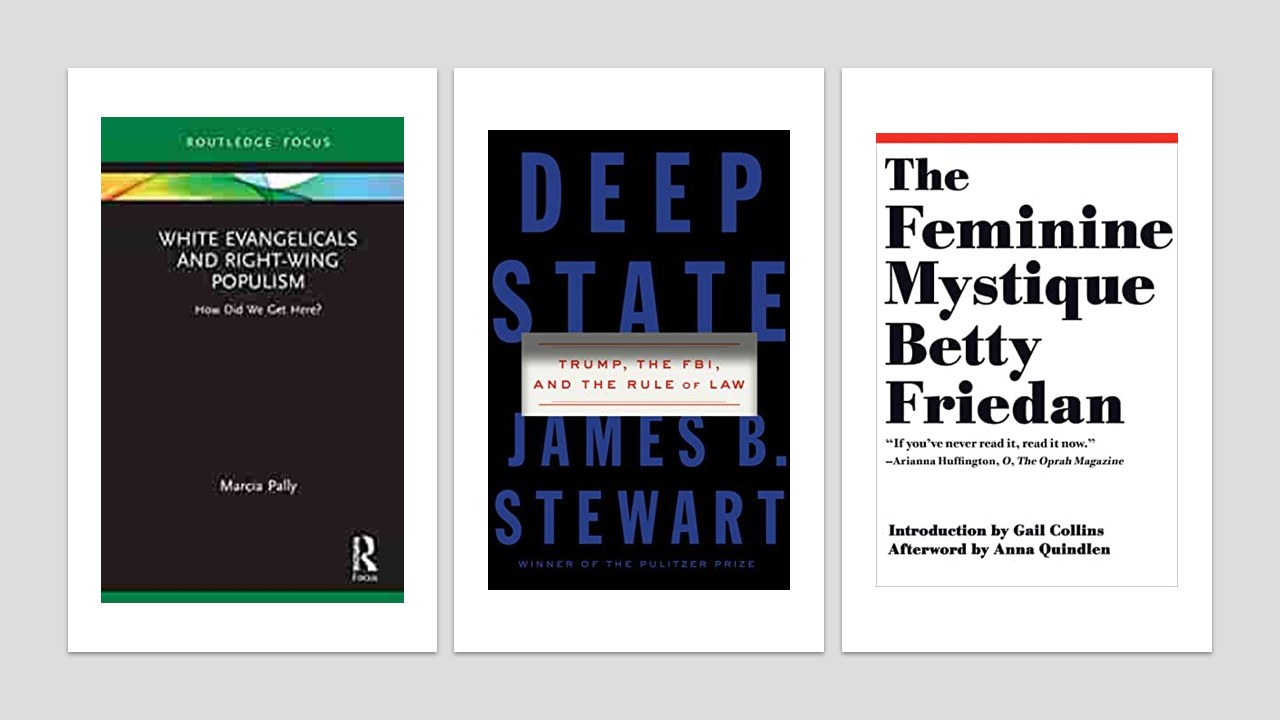
This is a worthy entry into the new genre that I call “white evangelicalism sucks.” These books are typically from Christians who have been badly burned or disillusioned at what “evangelicalism” has become since the Trump years began. Alberta examines what has happened to the sub-culture of white evangelicalism in the United States and why. There is a strong (and terribly incorrect) tradition of white evangelicals letting political passions overwhelm their faith. This book is very relevant in the way it explores that issue. It pairs well with Russell Moore’s Losing Our Religion, which is another entry into the same new genre.
- The Story of Abortion in America: A Street-Level History, 1652-2022 by Marvin Olaskey and Leah Savas
The book is what it sounds like. Helpful and horrifying.
Not quite a biography, but more an examination of Spurgeon’s ministry with some gentle lessons for today. A very good book.
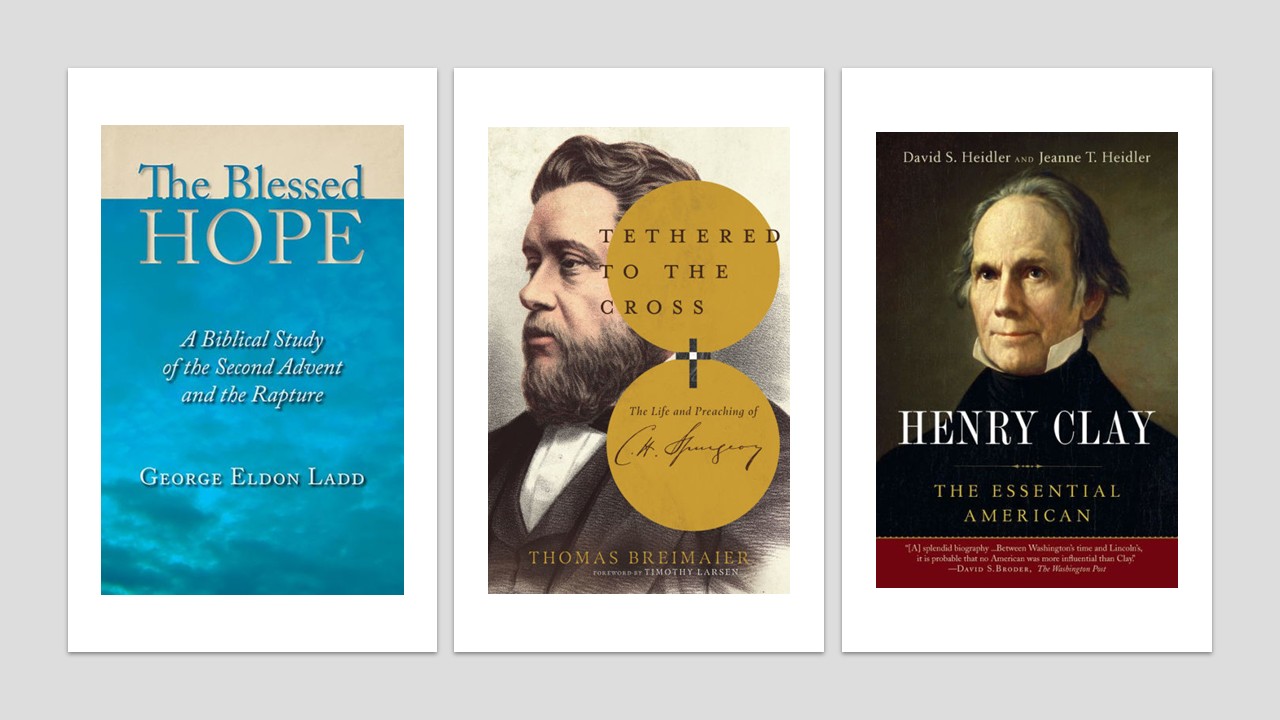
- Tethered to the Cross: The Life and Preaching of Charles H. Spurgeon by Thomas Briemaier
Also not quite a biography, but an examination of Spurgeon’s preaching style and substance. This is also a very helpful and enjoyable book.
An outstanding critique of the pre-tribulational rapture position. I’m not saying I believe everything Ladd writes, but I am saying he presents his case very well. Ladd was a classic premillennialist, not a dispensationalist.
- Henry Clay: The Essential American by David Heidler and Jeanne Heidler
One of my favorite books of the year. A wonderful and well-written biography of a very important man. Truly, Clay was a man who could and should have been president. But, it never happened for him.

- Andrew Jackson: His Life and Times by H.W. Brands
I don’t like Jackson. And, I’m not fond of H.W. Brands’ writing. I can’t explain why I don’t like Brands, but I just get the impression that he’s not a very thorough historian–or, perhaps, he doesn’t communicate much substance. This isn’t necessarily a fair critique, but I’ve read two books by him and I get the same impression from each. Again, I also don’t like Andrew Jackson.
- Team of Rivals: The Political Genius of Abraham Lincoln by Doris Kearns Goodwin
I read this book shortly after it first came out, maybe 23 years ago. I read it again now. It has a well-deserved reputation as a classic. It is a substantive history of Lincoln’s presidency, with brief biographies of Lincoln and three of his principal cabinet officials along the way.
- The Man Who Ran Washington: The Life and Times of James A. Baker III by Peter W. Baker and Susan Glasser
This was truly one of my favorite books this year. I found Baker to be a fascinating character. From my other reading, I knew he was a key player behind the scenes in the Reagan + Bush + Bush 2.0 orbit, but I knew little about the guy. Baker was a political operative, White House Chief of Staff to Reagan and Bush, Treasury Secretary in Reagan’s second term, and Secretary of State in George H.W. Bush’s administration. A remarkable man. This is a great book.
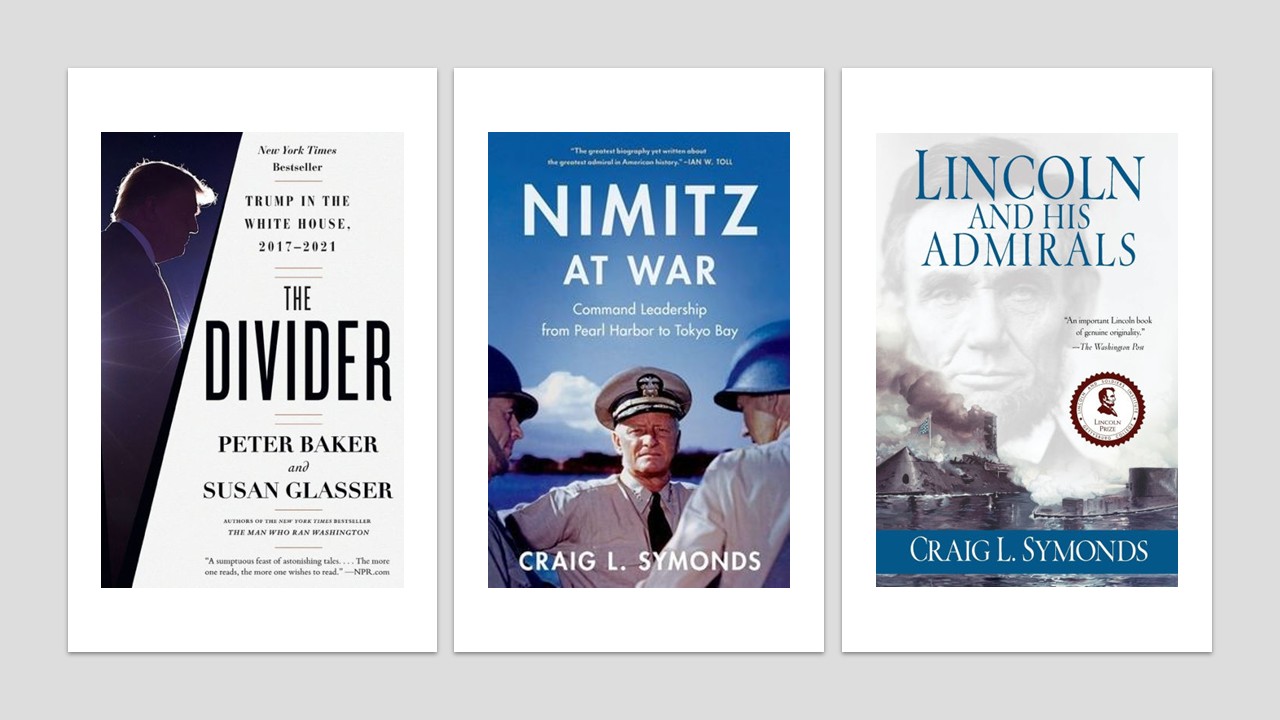
- The Divider: Trump in the White House, 2017-2021 by Peter W. Baker and Susan Glasser
This book paints an accurate and unflattering portrait of Trump’s first administration. It pairs well with Bob Woodward’s books on the Trump presidency.
- Lincoln and his Admirals by Craig Symonds
An interesting and very helpful work from a naval historian about Lincoln and the naval war against the Confederacy.
- Nimitz at War: Command Leadership from Pearl Harbor to Tokyo Bay by Craig Symonds
Sort of a command biography of Nimitz. It seemed short on details and the authors summary remarks at the end of the chapters seemed a bit forced at times. But, I enjoyed it.
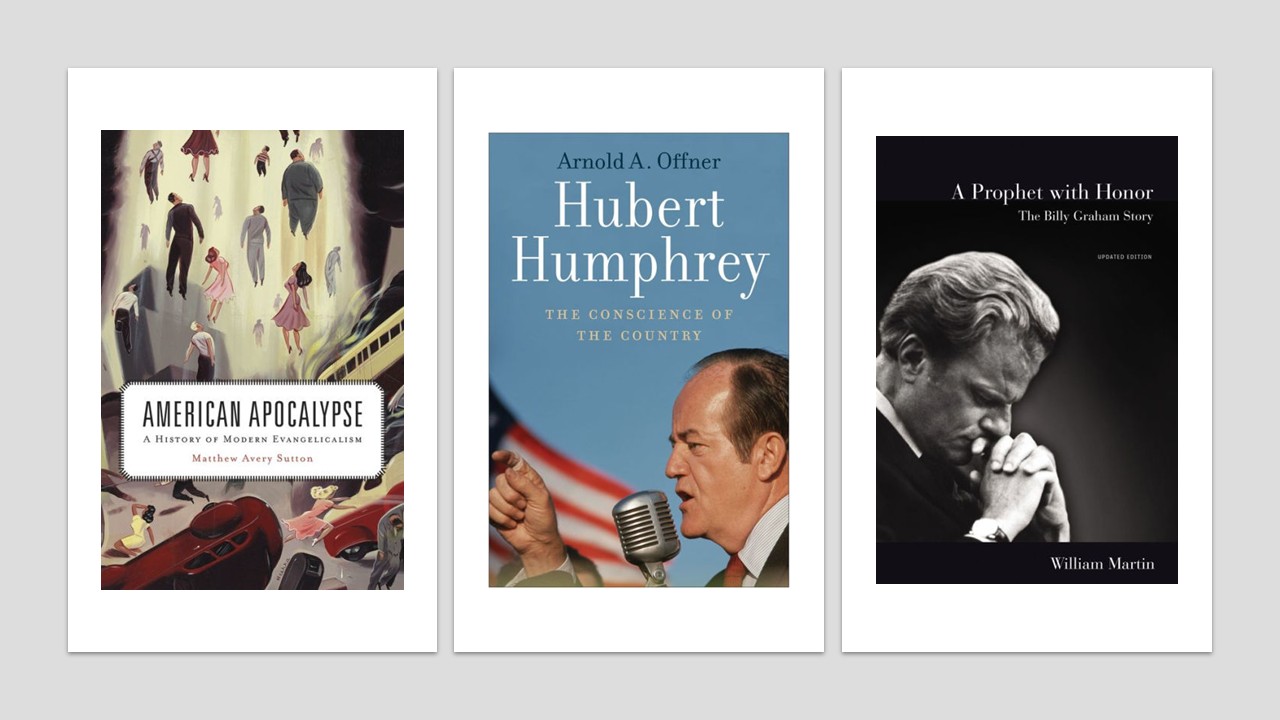
- Hubert Humphrey: The Conscience of the Country by Arnold Offner
A very “in the weeds” biography of the great “liberal savior” of the mid-century Democratic party. Humphrey was Johnson’s Vice President, and was defeated in his own run for the office in 1968. The book loses the reader in very wonky policy details. In that sense it’s not a true biography, because his family virtually disappears. But, because the subject is Hubert Humphrey, it’s unlikely a better biography will come around anytime soon.
- American Apocalypse: A History of Modern Evangelicalism by Matthew A. Sutton
This is the second time I’ve read the book. This is a good history of evangelicalism.
- A Prophet with Honor: The Billy Graham Story (updated edition) by William Martin
A very balanced, insightful, and enjoyable look at perhaps the most popular evangelist in the history of the Christian church. This is a definitive biography. A better one likely won’t be penned. Martin is fair in his analysis. He presents Graham as a man with a simple message; not an intellectual, but content with who he is. I believe the root explanation for Graham’s astonishing success was a special anointing by the Holy Spirit.

- America’s Pastor: Billy Graham and the Shaping of a Nation by Grant Wacker
This isn’t exactly a biography, but a look at how Graham impacted the nation as a whole. This is a very valuable and interesting book by a prominent historian of Christianity.
- The Battle of Midway by Craig Symonds
Simply the best history of the battle of Midway that’s ever been written. It pairs quite well with Jonathan Parshall and Anthony Tully’s scholarly volume Shattered Sword: The Untold Story of the Battle of Midway. This is probably my favorite book of the year.
- Reagan: His Life and Legend by Max Boot
A very good biography of Reagan. I believe Bob Spitz’s Reagan: An American Journey is a superior biography. My opinion of Reagan hasn’t much changed–he was a bad administrator and a kind, decent, but shallow man who could give a very good speech. If you’re interested in the hagiography that has enveloped Reagan as a patron saint of the GOP, then look elsewhere. If you’re interested in a scholarly biography that’s non-partisan but fair, then Max Boot’s volume is one of the best available.
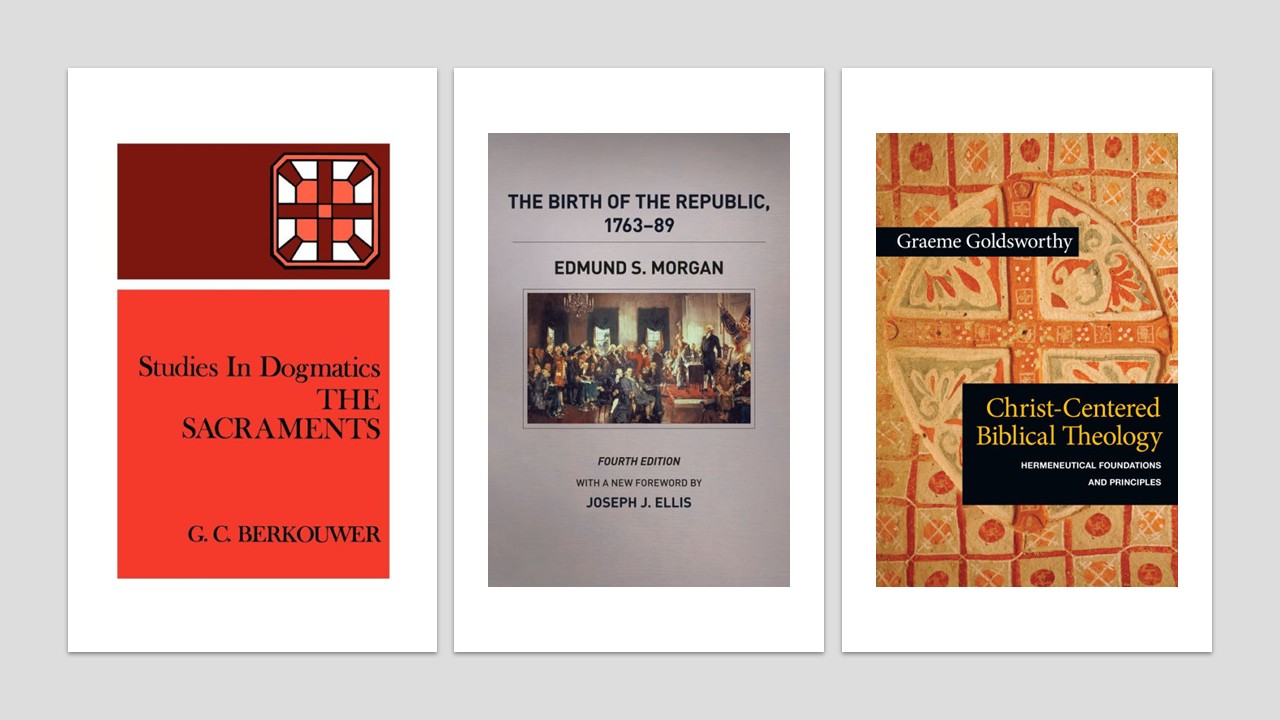
- The Birth of the Republic: 1763-1789 (4th ed.) by Edmund S. Morgan
A short, classic, but very boring book by a dean of Revolutionary period studies.
- The Sacraments by G.C. Berkhouwer
Solid and helpful book by Berkouwer. There should have been more interaction with scripture instead of creeds and confessions, but not everyone can be a Baptist!
- Christ-Centered Biblical Theology: Hermeneutical Foundations and Principles by Graeme Goldsworthy
This book is less a positive case for Goldworthy’s own method (though it is that), than a defense of biblical theology in general. I’m not really sold on Goldworthy’s structure for biblical theology–I think he flattens things a bit by not using the covenants as the skeleton for the bible’s story. However, I especially appreciated his emphasis on how, after Solomon’s failure, the prophets almost universally pivoted and re-capitulated the previous promises. Goldsworthy wishes away the promises to Israel far too much for my (and the bible’s) tastes, but his emphasis on Christ as the typological key to the bible’s story is well taken.
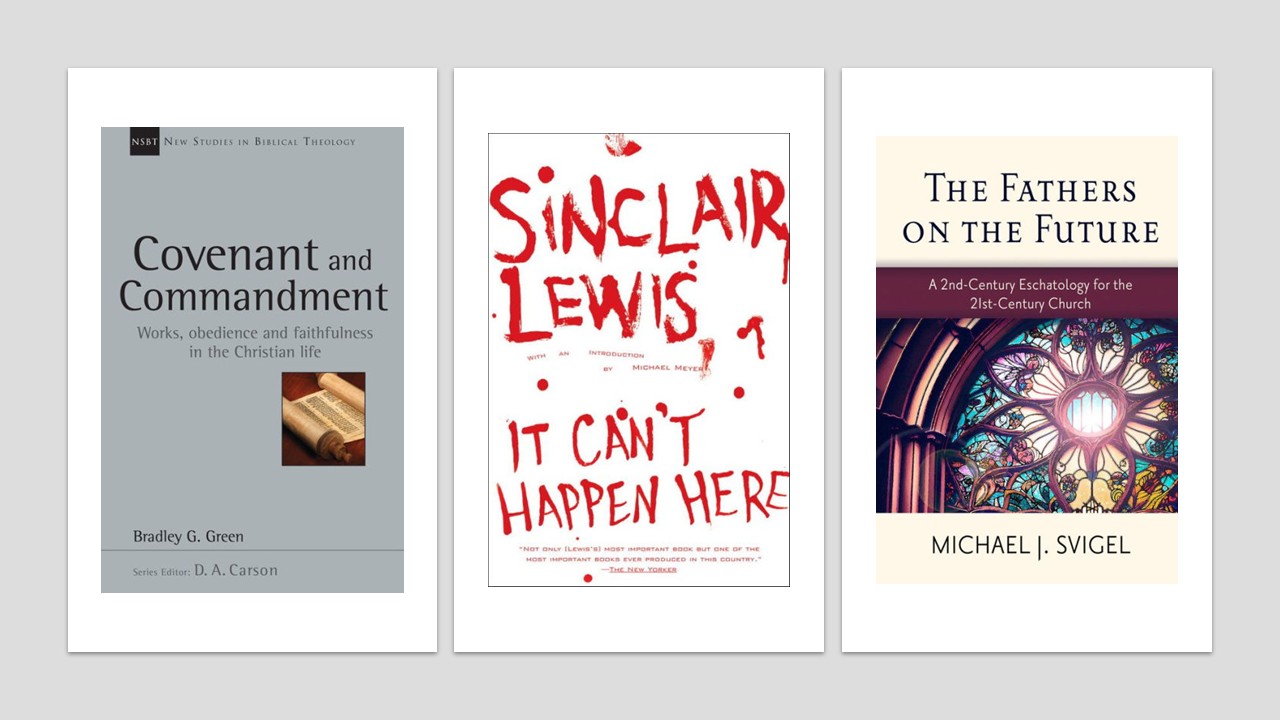
I’m not sure what to make of Green’s book. At the end of the whole thing, I learned nothing. Good works are the inevitable and necessary fruit of genuine salvation. I knew that before I read the book. So … the book was interesting but completely unnecessary. It might help someone who comes from a more antinomian background, or perhaps from a free grace perspective.
A very interesting and accessible defense of premillennialism from a scholar who teaches at Dallas Theological Seminary. I feel the publisher did Svigel wrong by forcing him to cut the meat out of the book and publish them as excurses on his own website. Svigel is a dipensationalist, but this book is really a defense of general premillennialism, using Irenaeus as his guide.
- It Can’t Happen Here by Sinclair Lewis
I don’t think Lewis was a good writer. His characters are thin and his writing tone is distracting. This is a classic fiction book from 1935 about America electing a fascist as president, who quickly turns the country into a police state. The evil president was clearly modeled on Huey Long. Many contemporary critics see parallels to Donald Trump, but it’s doubtful that Trump is as competent as Berzelius Windrip.

- The Death of American Virtue: Clinton vs. Starr by Ken Gorman
Am exhaustive, fair account of the Clinton impeachment saga. The Office of Independent Council disgusts me. I think Starr went way beyond his brief and harmed this country by pursuing a sitting President on a dumb perjury charge. I was very angry as I read the book. Starr was out of line and he disgraced himself. I think Hillary Clinton was correct about this particular “vast, right-wing conspiracy” intent on taking Bill Clinton down.
- Baptist Battles: Social Change and Religious Conflict in the Southern Baptist Convention by Nancy Ammerman
A sociological study of the “Baptist battles” of the conservative resurgence during the early 1980s. Very interesting.
- Calvin by Bruce Gordon
A great biography of John Calvin by a Yale church historian. Christians often prefer biographies of “great Christians” to be glossy, syrupy, and shallow. They often cry foul when a biography dares to document that the “great man” was, in fact, very human. This is a fair, scholarly biography of a flawed by important man. Calvin’s Institutes of the Christian Religion is a masterwork in Christian theology. Calvin was not a competent movement leader, and he ministered in a very unbiblical context in a sacral society. His chief legacy is his writings. This is a very important book about a very important man.

- Salvation with a Smile: Joel Osteen, Lakewood Church, and American Christianity by Phillip Sinitiere
A scholarly book about the pastor of the largest church in North America. If you want to know about Joel Osteen, don’t go to YouTube. Read this book.
- John Adams: A Life by John Ferling
A great John Adams biography. I don’t like John Adams. He virtually abandoned his family for years on end. He was driven by deep insecurities. All told, I view Adams as a little prig with “short man” syndrome. I don’t think he was an admirable guy, and I agree with the author that he fell short of being a “great man.”
- The Big Question: Why We Can’t Stop Talking About Science, Faith and God by Alister McGrath
A popular-level book by McGrath about how to integrate faith, science, and reason. It was good and interesting.

- Iustitia Dei: A History of the Christian Doctrine of Justification (4th ed.) by Alister McGrath
A magisterial and very helpful look at how “justification” has been understood in the Christian church down through the centuries.
- G-Man: J. Edgar Hoover and the Making of the American Century by Beverly Gage
One of my favorite biographies I’ve read. A great and entertaining book about a man who is poorly understood. Hoover was the ultimate bureaucrat, and not always in a bad way. A true “government man” and a master administrator.
- Paradise Regained by John Milton
This is the lesser-known (and much shorter) companion piece to Paradise Lost. Very interesting work.
- Kingdom through Covenant: A Biblical-Theological Understanding of the Covenants (2nd ed.) by Peter J. Gentry and Stephen J. Wellum
The definitive work on progressive covenantalism. I enjoyed it very much and I think the basic scheme is correct. I also believe the typology can go too far and wash away God’s promises to the nation of Israel, but I believe there is room for a premillennial vision within this larger scheme. A great book. Very insightful.




 The Eccentric Fundamentalist